Categories
Uncategorized

Why are Insulators the Backbone of Electrical Safety in the Oil Industry?

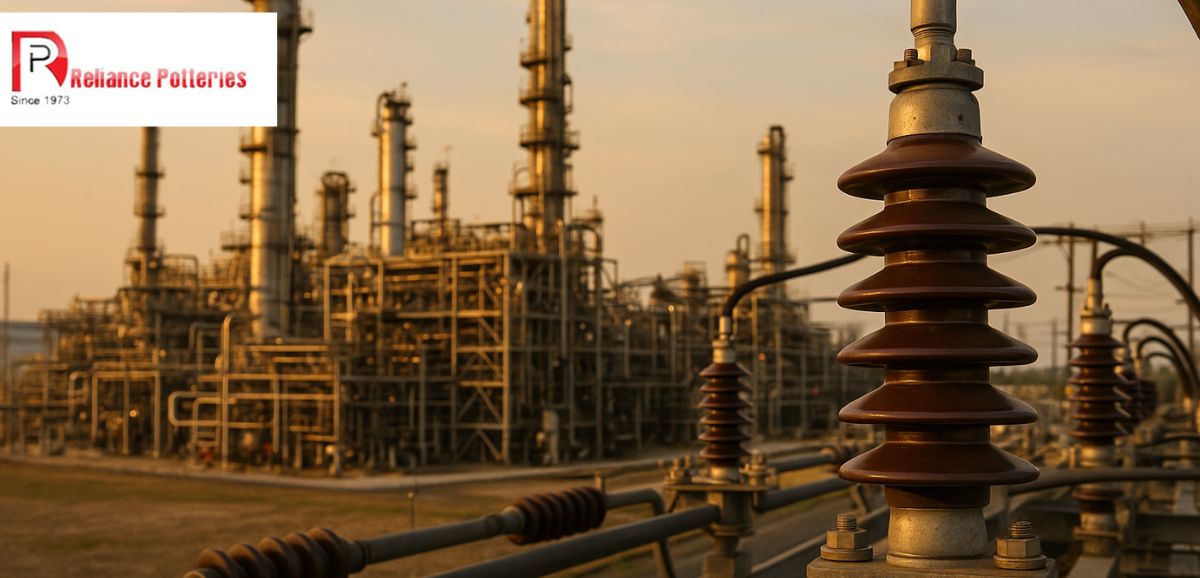
The oil industry is one of the most hazardous industries, dealing with high electrical voltages, harsh environments, and explosive materials; thus, electrical safety is a vital part of the oil industry. But do you want to know which electrical component is responsible for complete electrical safety in the oil industry? It is an electrical insulator. If you deal with the oil industry, you must choose a reliable insulator manufacturer that provides high-quality insulators to prevent short circuits, equipment failure, and sudden fire risks. Let’s explore this blog to discuss why you should consider insulators as the backbone of electrical safety in the oil industry.

Explore the Harsh Reality of the Oil Industry

The oil industry and oil refineries operate in extremely hazardous environments that can be fatal for workers without proper electrical safety measures in place. Let’s discuss the harsh reality of the oil industry-

  • High temperatures and pressures in oil pipelines pose a serious hazard in the oil industry.
  • Flammable liquids and explosive gases in the oil industry pose enormous dangers in the case of any electrical failure.
  • Corrosive chemicals in the oil industry pose huge hazards.

These elements create a massive problem in the oil industry without proper electrical safety. In such cases, insulators play a vital role in protecting the electrical instruments in the oil industry. Due to the presence of insulators, electrical hazards can be prevented in the oil industry. Even a minor electrical spark can create a massive explosion in the oil industry.

What Do You Mean by Electrical Insulators?

Electrical insulators are mainly non-conductive materials that prevent the free flow of electricity. The design of electrical insulators is unique, as they support and separate electrical conductors while preventing current from passing through. Ceramics, glass, and polymers are common insulating materials that are useful for resisting electrical flow, heat, and chemical exposure.

Types of Insulators Useful for the Oil Industry

In this segment, we will discuss the various types of electrical insulators used in the oil industry.

  • Post-insulators are primarily used in electrical control panels and substations.
  • Pin-type insulator is commonly used in electrical power distribution systems to hold conductors.
  • Suspension insulators are a type of electrical insulator primarily used in high-voltage power transmission applications.
  • Composite insulators are a type of insulator that is particularly useful in offshore or corrosive environments.

How is FRP Insulation Useful for the Oil Industry?

FRP stands for fiber-reinforced polymer, also known as fiberglass-reinforced plastic. FRP insulator is famous for its high strength and robust electrical insulation properties. If you choose a reliable FRP Shaft Insulator Manufacturer to buy the best quality FRP insulator for the oil industry, you can get tremendous benefits-

  1. Tremendous mechanical support– FRP insulator offers structural mechanical support to electrical appliances in the oil industry.
  2. High-voltage application – FRP insulators are mainly famous for withstanding high voltages and high temperatures in electrical support.
  3. Durability – FRP insulators can resist corrosion and harsh environments, which is vital for providing long-term electrical support.

How Insulators Ensure Electrical Safety in the Oil Industry

When you choose a reliable insulator manufacturer for buying the premium quality insulator to support the electrical safety in the oil industry, you must experience the following benefits-

1. Prevent short circuits

Insulators are useful in power distribution and transmission systems, particularly on grounded surfaces. It reduces the chance of arc flashes or short circuits, which are a significant cause of massive injury or component damage.

2. Protection from electrical leakage

Due to oil vapour, moisture, and chemicals, traditional insulators may be damaged over time. However, modern electrical insulators can prevent any current leakage and ensure consistent performance.

3. Safe power transmission

Insulators in the oil industry are used in switchgear and transformers to enable the safe transmission of electric current through wires.

Conclusion

In the oil industry, safety is the primary concern. It is vital for workers’ health and to protect the equipment from severe damage. Thus, electrical insulators act as lifesavers in the oil industry, protecting it from massive electrical damage. If you are concerned about the safety of the oil industry, consider contacting Reliance Potteries to purchase premium-quality insulators at an affordable rate.
Categories
Drive Insulator Manufacturer

What are the Insulator Design Innovations for the Modern Railway System?

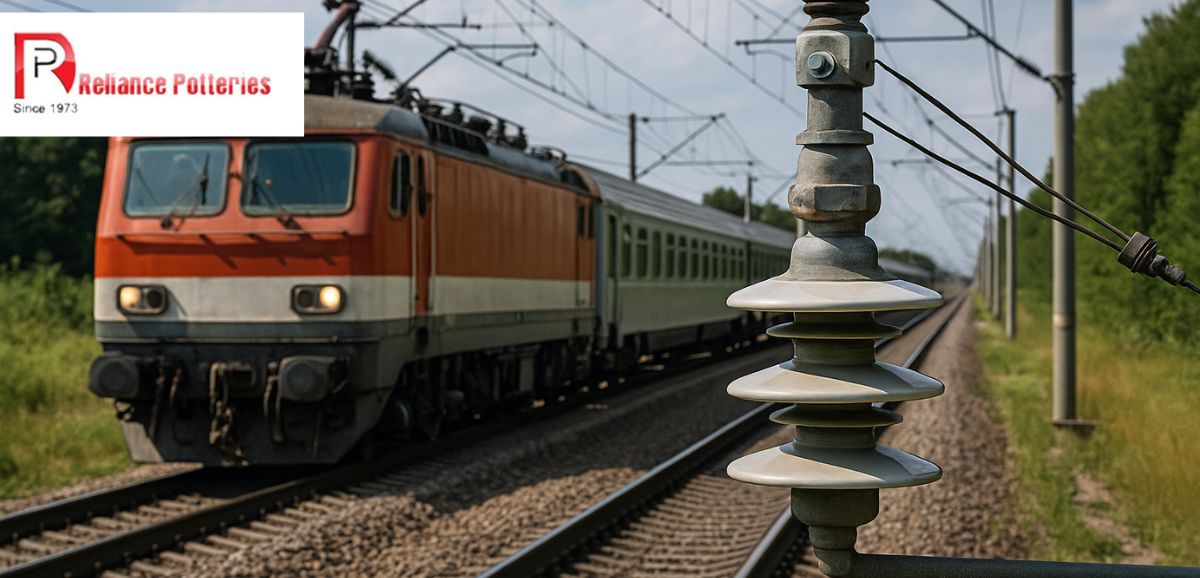
As the global transportation landscape continues to evolve, the demand for reliable and high-quality electrical components is expanding rapidly. Among the various types of electrical instruments, the insulator is the unsung hero of modern railway infrastructure. You may often overlook the tremendous significance of the insulator in ensuring a seamless operation in the electrified railway system.

Reliance Potteries takes great pride in being one of the leading insulator manufacturers in India, providing high-performance and customized insulators that ensure the smooth operation of the railway system. We are now discussing the latest innovative insulator design, which is highly effective for modern railway systems. Let’s talk about them.

Why is Innovative Insulator Design Vital for a Modern Railway System?

The contemporary railway system primarily focuses on a high-tech future, which is essential for running high-speed electrified trains seamlessly. Suppose you think about how the ‘Rajdhani Express’ acts as a superfast train. In that case, you should never forget that the success lies in the usefulness of the functional design of the insulator.

Advanced insulator technology encompasses electrification, high-speed operation, sustainability mandates, and innovative insulator design, all of which are crucial for supporting the modern railway system. From simple ceramic insulators to premium-quality insulators, they all ensure the complete safety, reliability, and efficiency of the modern railway system.

The Intelligent and Multifunctional Design System of the Insulator

In this segment, we will discuss the most innovative and multifunctional design technique for insulators in modern railway systems.

Sensor-embedded insulators

  • Real-time monitoring – This technology utilizes microsensors to track leakage current, control temperature, and mitigate mechanical stress.
  • Predictive analytics – When modern AI technology merges with an insulating system device, it can forecast system failure in the railway 2-3 weeks before its occurrence, which is vital to reducing maintenance costs.
  • Customized design – A customized insulator is beneficial in meeting the specific requirements of various railway systems and ensuring optimal performance and integration with existing infrastructure.

Different Types of Railway Insulators with a Unique Purpose

As per different types of design and technological advancement in the insulation manufacturing, railway insulators can be of different varieties, such as –

  1. Porcelain insulator – Porcelain insulators offer excellent electrical and mechanical properties, which are ideal for supporting overhead wires and ensuring the complete safety of electrical transmission in railway systems.
  2. Composite insulators – This type of insulator is made with silicone rubber, which is renowned for its superior mechanical strength and resistance to environmental factors such as pollution and UV radiation. A composite insulator has a better service life than a traditional porcelain insulator. In railway transportation, composite insulators have immense usefulness.
  3. Solid Epoxy insulators– Solid epoxy insulators can replace porcelain insulators in a third-rail system, offering improved performance and endurance in harsh weather environments.

Innovative Technology Integration in the Insulator

With the advancement of the latest technology, the usefulness of the inspector has increased significantly for the railway transportation system. Let’s discuss them in detail.

  • Nanotechnology– Any reliable drive insulator manufacturer applies nanocoatings to insulator surfaces, which enhances hydrophobicity, reduces contamination, and improves performance under polluted conditions. It is an effective insulator technology for smooth railway transportation.
  • Smart insulator – When an insulator is equipped with sensors and a monitoring system, it provides real-time data on its condition, enabling predictive maintenance and enhancing the overall reliability of railway transportation.

Conclusion

These innovations are vital to ensure the complete safety and efficiency of the modern railway system, which includes speed, capacity, and sustainability of railways. Reliance Potteries is the leading manufacturer and supplier of premium-quality insulators, which are essential for ensuring the smooth operation of the railway system.

Categories
Transformer Bushings Manufacturer in India 

Common Causes of Transformer Bushing Failures and Their Prevention

If you are considering maintaining a safe electrical transformer, the bushing plays a significant role. A transformer bushing is a structural component of a robust electrical arrangement. A reliable transformer bushing manufacturer strives to incorporate a robust design, advanced mechanical components, and aesthetically pleasing design integration to create a functional transformer bushing.

Despite all these mechanical developments, transformer bushing failure is a common factor in transformer breakdown. This breakdown can lead to explosions, fires, and oil spills. Now, we are trying to convey some unique preventive measures in case of transformer bushing failure.

Common Causes of Transformer Bushing Failure

System failure or mechanical support failure in a transformer bushing occurs due to severe reasons. Let’s discuss the common cause of transformer bushing failure.

1. Effect of moisture on transformer bushing

  • Moisture enters inside the transformer bushing due to a faulty seal, improper storage, or an old gasket. Due to this reason, the insulation’s power degrades, leading to flashover and partial discharge.
  • Dust and chemical contamination on the bushing can reduce the surface resistance capacity and increase current leakage.

2. Overheating causes severe damage to the bushing

  • Overloading can generate excessive heat and damage the insulation capacity over the age.
  • Excessive temperature during the glass transition can cause major cracks in the transformer bushing.

3. Electrical stress is responsible for partial discharge

  • Voltage fluctuations, such as switching surges and lightning strikes, can weaken insulation capability over time.
  • Internal voids in the manufacturing unit can lead to partial discharge and permanent insulation breakdown.

4. Mechanical stress and vibration

  • Due to sudden wind, loose connections in the transformer bushing can occur, leading to cracks in the porcelain insulators.
  • Overhead lines cause significant mechanical stress in transformer bushings, which can lead to system failure.

5. Manufacturing fault

  • Improper use of mechanical parts and components can lead to manufacturing defects and compromise mechanical strength.
  • Poor conductors can lead to severe mechanical degradation in transformer bushings.

6. Aging-related degradation

  • Older transformer bushing can lose its capacity over time and increase dielectric damage.
  • Thermal cycling can cause sudden expansion in the bushing, leading to cracks in the porcelain.

Preventive Measures of Failure of Transformer Bushing

To protect a transformer bushing from severe damage, it is essential to follow certain safety precautions. Let’s discuss them in detail

1. Regular monitoring

Although you buy a premium-quality transformer bushing from top electrical insulator manufacturers in India, it is essential to conduct regular inspections. You must check for oil leaks, corrosion, and cracks. You can use infrared thermography to detect the common leaks.

2. Diagnosis of the bushing health

You must conduct regular health checks for moisture ingress and insulation aging to prevent system failure. Monitoring of partial discharge can help you identify insulation defects.

3. Storage capacity

You must store transformer bushings in dry, temperature-controlled environments. Try to avoid mechanical shocks during the transportation of the bushing.

4. Manage the bushing lifecycle

You need to replace transformer bushings after 20 years to maintain the transformer’s health in good condition and enhance its working capabilities.
Conclusion

Maintenance of a transformer bushing in good condition for a long time is not an easy task. Regular monitoring and taking preventive measures can save transformer bushing from severe damage. Contact Reliance Potteries to buy the highest-quality transformer bushing, which can withstand various types of harsh weather and resist all forms of mechanical stress.


Categories
Insulator Suppliers Insulators Manufacturers

Role of ESP Insulator for Air Pollution Control Systems

Reducing the number of air pollutants in the air is vital for the physical well-being of humans and the environment. Polluted air drastically damages the cardiovascular system of humans and reduces the oxygen level in the air. In such a critical situation, ESP insulators play a significant role in controlling air pollution at power generation plants and other industrial sites. Reliable ESP insulator manufacturers strive to produce industry-specific, customized ESP insulators that are effective in removing impurities from the air.

ESP insulators primarily apply electrical energy to recover various industrial processing materials, ensuring the system’s reliability and efficiency. Through this blog, we will discuss the significant role of ESP insulators in air pollution control systems.

What Do You Mean by ESP Insulator?

The ESP insulator is a significant electrical component designed to electrically differentiate high-voltage discharge electrodes from the basic structure of the precipitator. ESP insulators primarily prevent short circuits, maintain electric fields, manage mechanical stress, and facilitate uninterrupted operation in harsh industrial environments.

Different Types of Insulators for Industrial Air Pollution Control

ESP insulator manufacturers primarily produce various types of customized, industry-specific insulators that are useful for industrial air pollution control.

  • Rapper insulator – This insulator uses an isolating rapping mechanism that dislodges dirt and dust from collector plates.
  • Ceramic shafts– This insulator instrument provides durable structural support for heavy electrodes.
  • Support insulators – Cylindrical or conical support insulators can suspend discharge electrodes.

Importance of ESP Insulator for Industrial Air Pollution Control System

If you plan to contact the top insulator suppliers in India to purchase the best-quality ESP insulator for an industrial air pollution control system, you can use it effectively. Let’s discuss its importance in detail-

  1. Control the efficiency – Insulator failure can disrupt the electric field and drastically reduce the component’s collection efficiency.
  2. Manage downtime – Damaged insulators can cause unplanned shutdowns, leading to increased operational costs.
  3. Maintain industrial regulations – Each industry has its own pollution control standards. Proper ESP insulators ensure that the sector maintains its emission standards.

Role of ESP Insulator for Industrial Air Pollution Controlling

In this segment, we will discuss the significant application of ESP insulators in industrial air pollution control.

  • Reduce dirt from harmful gases in industrial areas
  • Removes oil mists
  • Removes acid mists in the chemical processing plants
  • Clear gases from blast furnaces
  • Eliminates bacteria and fungi from pharmaceutical plants
  • Purification of air in the ventilation or AC system

Material Quality for ESP Insulator Manufacturing

The quality of ESP insulators plays a vital role in ensuring industrial air pollution control. Let’s discuss them in detail-

  • Porcelain insulator – When manufacturers use porcelain to make durable ESP insulators, it provides impressive mechanical and electrical strength.
  • High alumina ceramic insulator – If you are considering using an ESP insulator for power generation plants or high-temperature applications, this insulator works exceptionally well. It is renowned for its exceptional thermal and chemical resistance.
  • Composite materials insulator – This type of insulator is proper in corrosive industrial areas where a combination of metal strength and ceramic insulation is essential.

Conclusion

The ESP inspector must be the secret hero and backbone of the industrial air pollution control system. With this impressive working process, ESP Insulators can work efficiently under extreme weather conditions. To control air pollution in your industrial area, consider purchasing a premium-quality ESP insulator from Reliance Potteries. We are the leading manufacturer and supplier of insulation products in Kolkata.

Categories
ESP Insulators Manufacturer Insulator Suppliers Insulators Manufacturers

Design of ESP Insulator for High-Temperature Applications

It is impossible to imagine an industrial work without the presence of an insulator. A durable insulator is one of the most vital pillars of composite electrical structure. Electrostatic precipitators (ESPs) are a critical component that can control industrial air pollution by removing dust particles from exhaust gases. An electrical component that ensures the efficiency of the ESPs is the ESP insulator.

ESP insulators mainly withstand extreme temperatures, mechanical stress, and corrosive environments in industrial usage. Reliable insulators manufacturers always strive to provide industry-specific insulation designs tailored to your requirements.

But do you ever realize the unique design of ESP insulators for different industrial applications? Do you want to know the reason behind the differentiation of ESP insulator design? Let’s discuss through this blog what the importance of ESP insulator design is for High-temperature applications.

What is the Role of ESP Insulators in High-Temperature Environments?

In this segment, we will discuss the significant role of ESP insulators in high-temperature environments.

  1. Electrical insulation – ESP insulator prevents current leakage by isolating high-voltage electrodes from grounded structures.
  2. Mechanical support – The ESP insulator maintains structural integrity under thermal and physical loads.
  3. High-temperature settings – The ESP insulator is particularly useful in high-temperature settings, such as cement plants, power generation facilities, and steel factories.
  4. Control thermal shock – ESP insulators can manage thermal shock by controlling rapid temperature fluctuations.

Design Consideration of ESP Insulator for High-Temperature

The design of an ESP insulator must vary for different high-temperature industrial applications. Let’s discuss this differentiated design structure.

1. Selection of materials

Traditional materials, such as porcelain and glass, are replaced with advanced ceramic components for better performance.

  • High alumina ceramics offer superior thermal stability and resistance to thermal shock.
  • Glazed surfaces can reduce dust adhesion and moisture absorption, which is critical for maintaining insulation properties.
  • Polymer ceramic hybrids are a unique combination of lightweight flexibility with high-temperature resistance.

Creepage distance and surface design

  • Ribbed or corrugated surfaces enhance the distance for electrical tracking and prevent short circuits in environments with high levels of pollution.
  • Hydrophobic coatings can repel moisture and reduce surface leakage currents.

Durable structure

  • The unique design of cylindrical support insulators enables them to handle heavy loads while insulating high-voltage components.
  • Meta-reinforced ceramic insulators can prevent fractures under mechanical stress.

Thermal expansion management

  • Low-thermal-expansion-coefficient materials, such as silicon carbide or specialized ceramics, can minimize the risk of cracking under heat cycles.
  • Graded insulator design consists of layered materials with varying thermal properties, which is vital to distribute stress.

Industrial Application of ESP Insulator

If you choose a reliable FRP Shaft Insulator manufacturer to buy the best quality and customized ESP insulator, you can use it in multiple industrial applications.

  1. Cement plants – ESP insulator insulators can resist alkali and sulfur compounds in cement factories.
  2. Coal-fired power plants – In this industry, ESP insulators can manage fly ash at high temperatures.
  3. Steel factories – ESP insulators can play a significant role in steel factories by withstanding iron oxide particulates and heat energy.

Conclusion

When reliable insulator manufacturers design ESP insulators for an industrial specific, they mainly focus on material quality, electrical engineering, mechanical strength, structural integrity, and design innovation. These techniques are vital for creating a functional insulator in industrial settings. Contact Reliance Potteries for premium-quality insulation that can work perfectly in any industrial application.

Categories
Insulator Suppliers

Applications of Drive Insulators in Renewable Energy System

Renewable energy is a vital part of a sustainable future. It primarily includes solar energy, wind energy, and hydropower. Each of these renewable energy sources requires reliable insulators to protect electrical components and ensure safe electrical transmission. However, the efficient operation of renewable energy sources depends on durable electrical components, such as drive insulators. A reliable drive insulator manufacturer plays a vital role in ensuring safety, reliability, and efficiency in renewable energy applications. Through this blog, we will discuss the key application of drive insulators in renewable energy systems and their importance.

What Do You Mean by Drive Insulators?

Drive insulators are a type of electrical insulator that is designed to prevent unwanted electrical conduction and ensure a smooth electrical flow through composite pathways. Drive insulators primarily protect sensitive components from short circuits, environmental damage, and electrical surges, making them indispensable in renewable energy infrastructure.

Functional material for drive insulators-

  • Composite polymers are lightweight and durable for making drive insulators
  • Silicone rubber can resist high temperatures and UV rays. Thus, it is an ideal insulation material in solar energy systems.
  • Ceramic is the ideal material for insulators used in high-voltage applications.

Applications of Drive Insulators in Renewable Energy System

If you are seeking premium-quality insulation for your renewable energy system, you must select reliable insulator manufacturers in India. Now, let’s discuss the applications of drive insulators for renewable energy systems.

Solar energy and drive insulator

Solar energy is the most abundant source of renewable energy, experiencing rapid growth. Solar panels transfer sunlight into electricity. This process involves high electrical voltage and requires a durable insulator to protect against electrical surges.

Drive insulators can prevent current leaks and maintain electrical integrity. High-voltage insulators are essential in solar farms to ensure the safe transmission of electricity. In solar energy applications, insulators can withstand harsh weather and UV radiation. Silicon rubber and composite polymers are valuable materials for use in solar energy insulators.

Wind energy and drive insulator

Wind energy is another important pillar of the renewable energy source. Wind turbines generate electricity in high altitudes and harsh environments, where drive insulators must withstand lightning strikes, corrosion, moisture, and mechanical stress.

Some modern turbines utilize an innovative insulator system with embedded sensors to monitor electrical conditions in real-time. Wind turbines typically operate at significant heights, which increase the risk of lightning strikes. Insulators help to divert lightning away from critical components. Thus, drive insulators protect the entire system from damage.

Hydropower and drive insulator

Hydropower is the most traditional form of renewable energy, generating electricity through the use of water’s kinetic energy. Insulators play a crucial role in the operation of a hydropower plant. A durable drive insulator ensures the safety of high-voltage power lines. Hydropower systems face enormous challenges; water can create corrosion and affect insulator materials. Thus, it is crucial to select the appropriate insulator material for hydroelectricity that can withstand both water and chemical exposure.

Future Trends in Drive Insulator Technology

With the latest ever-evolving technical world, the drive insulator is also upgrading its technology for diversified applications.

  • Smart insulators incorporate sensors that enable real-time monitoring of insulator health.
  • Eco-friendly materials for insulators are vital to reducing environmental impact and maintaining high electrical strength.
  • Advanced ceramic and silicon coating in the drive insulator can improve the performance in harsh weather conditions.

Conclusion

The insulator must be the vital pillar of a renewable energy system, ensuring the safety, longevity, and efficiency of the electrical system. Contact Reliance Potteries to purchase the most innovative and premium-quality drive insulator that can enhance the infrastructure of your renewable energy system. Contact us for your requirements.


Categories
ESP Insulators Manufacturer Insulator Suppliers Insulators Manufacturers Transformer Bushings Manufacturer in India 

Maintenance of ESP Insulators for Smooth Operation and Longer Life

Do you want to minimize the insulator replacement cost and enhance a smooth operational function for industrial tasks? It is vital to avoid major factors that can create significant cracking and contamination in ESP support insulators. Electrical precipitators or ESPs are essential components for managing industrial emissions by removing particulate matter from exhaust gases. However, reliable ESP support insulator manufacturers provide premium quality ESP support insulators for mechanical stability in high-voltage electrical systems.

However, lack of maintenance leads to downtime, reduction in performance efficiency, and high replacement costs. Through this blog, we will discuss about the proper maintence of ESP support insulator for reliable operation of electrical devices.

Reasons for Regular Maintenance of ESP Support Insulator

In this segment, we will discuss the reasons why regular maintenance of ESP support insulators is essential.

  1. High voltage stress– ESP support insulators can minimize the high voltage stress by eliminating contamination.
  2. Dust and dirt build-up– If there is dust and dirt in the ESP support insulator, it may lead to short circuits
  3. Thermal cycling– It can cause major cracks and mechanical failure of the insulator.
  4. Chemical reaction– Due to lack of maintenance, insulators may face chemical reactions.

Negative Impacts Due to Lack of Insulator Maintenance

If you do not take proper maintenance process for ESP support insulator, it may cause a substantial adverse effect on the electrical power transition; let’s discuss them in detail-

  1. Due to lack of maintenance, there may be a certain chance of insulation leakage that causes higher power consumption.
  2. In case of emergency repair, there may be frequent shutdowns in the ESP
  3. It may reduce the efficiency of a particular collection for insulators
  4. In case of catastrophic insulator failure, it may result in costly replacements.

Regular Maintenance Process of ESP Support Insulator

If you choose a reliable transformer bushing manufacturer to buy the best quality ESP support insulator, you must follow these essential maintenance processes.

Regular cleaning and inspection

  • Frequently, the removal of accumulated dust and contaminants from the insulator can prevent flashovers. Dirt-contaminated insulators may lead to electrical problems and reduce ESP performance.
  • It is vital to inspect for cracks or contamination that indicate the degradation in the insulator’s performance.

Environmental factors

  • It is vital to monitor the temperature fluctuation that can hamper the insulator’s integrity. High temperature and humidity can lead to premature failure of electrical components.
  • It is vital to ensure proper protection from external contamination that may lead to significant damage to the insulator structure.

Cleaning process

  • Dry air blowing can easily remove dust and dirt without damaging the insulator.
  • Washing with deionized water is vital to avoid stubborn deposits.
  • For chemical cleaning, you can use nonconductive cleaners for the insulators.

Checking of mechanical integrity

  • Loose bolts can create misalignment; thus, it is vital to verify the tightness of every mechanical part of the insulator.
  • Checking the vibration-induced stress is vital for high gas flow ESPs.
  • It is vital to replace aging gaskets to prevent gas leakage from the insulator.

Conclusion

If you experience any sign of cracking, cracks, or reduction in the insulator efficiency, do not waste your time; replace the insulator with a premium quality insulator. Reliance Potteries is the top manufacturer and exporter of ESP insulators, which are vital for multiple industrial applications.

Categories
Insulator Suppliers Insulators Manufacturers

Impact of Insulators on Power Plant Downtime and Operational Costs

Are you worried about the huge operational costs and electrical downtime in power plants due to insulator failure? Then you must think about the smart usage of insulator in power plant downtime. In power plants, insulators play a critical role by ensuring a safe and efficient transmission of electricity without unwanted current leakage. Reliable insulator suppliers always ensure the provision of the best quality insulator, which is vital to prevent the underperformance of electrical insulators.

Insulator failure or underperformance may lead to higher maintenance costs and a reduction in operational efficiency. Through this comprehensive study, we will discuss the significant impact of insulators on power plant downtime and reduction in operational costs.

Why Insulators are Vital for Power Plants?

In this segment, we will discuss the key functions of insulators in power plants-

  1. Mechanical support– Insulators hold conductors in places under the tension
  2. Electrical segmentation– Insulator prevents electrical short circuits and current leakage
  3. Environmental protection– Insulators in the power plant can resist environmental pollution and moisture

Impact of Insulators for Power-Plant Downtime

A sudden failure of insulator performance in the power plant can enhance downtime. Let’s discuss how insulator failures can increase downtime in the power plant-

1. Unplanned outages happen for flashovers

  • Dust, moisture, and salt on the insulator may result in an emergency shutdown in the power plant’s electrical performance.
  • Many power generation plants have already faced long hours of downtime due to insulator contamination during the rainy season.

2. Shutdown due to lack of insulator maintenance

  • Damaged or cracked insulators need a replacement; otherwise, it takes a considerable time to restart.
  • Many gas power plants in popular countries in the world take 3 to 4 days to restart electrical devices due to cracked insulators.

3. Poor efficiency in insulators leads to higher costs

  • Due to lack of efficiency in the insulators there may be a chance of currents leakage that increase resistance, and force power plants to use more electrical power to run the machinery.
  • Dirty insulators can enhance the transmission losses by 10 to 15% which can significantly raises the operational costs.

Financial Impact Due to Insulator Failure

If you choose a reliable transformer bushing manufacturer to buy a premium quality insulator, you can avoid sudden mechanical failure. But in case of insulator failure, it may cause a huge financial impact on the power plants; let’s discuss-

  1. Cracked insulator replacement costs can negatively impact the financial structure of the power plant industry. The replacement cost is very high, and it depends on the unit’s consumption.
  2. Due to higher downtime, the power plant industry lost revenue and caused a huge financial loss.
  3. Due to the higher risk of electrical exposure, the insurance premium cost also increases.
  4. Sudden leakage in the electrical currents leads to higher energy losses.
  5. Frequent damage in the insulator operation, can increase the consumption of manpower and resource utilisation.

How to Manage the Downtime and Save Cost

If you want to minimize the operational cost due to insulator damage, you need to perform protective maintenance at the power plant. Regular cleaning and maintenance of the insulator can prevent the insulator damage and save the operational cost. Polymer insulators, silicone-coated insulators, and anti-tracking designs can manage downtime and save operational costs.

Conclusion

Insulators may be a small component, but their failure can lead to massive financial loss and operational disturbance in power plants. But with the use of advanced materials and smart insulation system power plant can easily avoid this loss. Contact Reliance Potteries to get the best quality insulator for power plants to enhance their effectiveness and reduce operational costs.


Categories
Insulator Suppliers Insulators Manufacturers

Emerging Trends in Insulator Technology: Focus on the Conical Design

With the latest up-gradation of technical advancement there is a huge changes in the electrical system and insulator technology. Among different kinds of technical advancement, conical support insulators are famous for their unique design and outstanding performance. Various industries prefer to use a durable quality conical support insulator for the smooth functioning of electrical supply.

A reliable conical support insulator manufacturer provides the best quality insulator with the latest technology for overhead utility wires and high voltage electrical circuit. If you want to prevent unwanted electricity flow, conical support insulators should be your ultimate choice. Through this blog, we will discuss the Emerging trends in insulator technology and how to focus on the conical design.

The Working Aspect of a Conical Support Insulator

Conical support insulator is a special type of insulator that is useful to support and insulate electrical conductors, specifically in high voltage environment. The conical shape offers a better mechanical strength and huge stability for multiple applications. In the electrical segment, where load-bearing capacity is a vital factor, the conical support insulator plays a vital role.

Benefits of Using Conical Support Insulators

When you decide to safeguard your industrial electrical system from potential electrical hazards you must think of using conical support insulator. Let us discuss its tremendous benefits elaborately.

  • Better mechanical strength– Like other electrical insulators, conical shape insulators are also vital to smooth electrical performance. This insulator distributes mechanical stress eventually and reduces the structural failure under heavy loads.
  • Better thermal performance– A conical support insulator is beneficial for better thermal resistance shocks and lower thermal expansion, minimizing the risks of cracks due to temperature fluctuations.
  • Better space utilization– The compact design of the conical
    support insulator allows installation in areas where you need to install the electrical support insulator within a small space without compromising its performance.
  • Versatility– This insulator is suitable for wide range of applications including power plants, cement industries, and petrochemical industry due to its robust features and unique applications.

Sustainable Materials for Electrical Support Conical Insulator

With the latest technological advancements, there has been a specific development in the materials used for electrical support insulators. Let’s discuss the type of the material in detail-

  1. Porcelain– This material is excellent for making electrical support insulators that are famous for their mechanical strength. Any reliable shaft insulators manufacturer prefers to use porcelain to make a high-quality shaft insulator.
  2. Composite materials– It is an improved material that is famous for better environmental factors and higher mechanical stress.
  3. High alumina content– When an electrical support insulator contains high alumina, it ensures high voltage stability and smooth function at a temperature of 500 degrees C.

Industrial Application of Conical Support Insulator

In this segment, we will discuss the vast applications of conical support insulators across various industries. Let’s discuss them in detail-

  • Power plants– The high load capacity and thermal resistance of conical support insulators are suitable for power plants.
  • Cement industries– The cement industry needs heavy-duty operations and a higher-performing insulator to stand up to 400 degrees C.
  • Oil and gas industry– The durability of conical support insulators ensures their longevity for the oil and gas industry.

Conclusion

With the greatest technical evolution, there must be a huge change in the electrical support insulators, whether shaft insulators or conical support insulators. You need to choose the best insulator manufacturer, such as Reliance Potteries, to get the higher technical advancement for electrical insulators.

Categories
Insulator Suppliers Insulators Manufacturers

The Value of Insulators in Transformer Efficiency and Safety

Is it easy for a transformer to do the electrical power transmission task on its own? Absolutely not. Indeed, the transformer is the backbone of the electrical power generation and distribution system, but the potentiality of a transformer depends on voltage regulation and energy distribution. Have you ever thought who perform this noble task of voltage regulation and power distribution? It is an insulator.

The insulator is the core part of the transformer’s performance, efficiency, safety, and longevity. It also prevents electrical failures. However, it is vital to choose trusted and registered insulator manufacturers in India to make it useful for transformers. Through this blog, we will discuss the ultimate value of insulators to enhance the safety and efficiency of transformers.

The Usefulness of Insulators in Transformers

In this segment, we will discuss the usefulness of insulators in transformers.

  • Thermal management– The insulator inside the transformer controls the heat and prevents overheating.
  • Electrical insulating– An electrical insulator can prevent short circuits by controlling the unwanted current flow between two electrical segments.
  • Mechanical support– Insulators mainly maintain structural integrity under vibrations and electromagnetic forces, which is vital for mechanical support.

Role of Insulator in Transformer Efficiency

If you want to know the role of insulators in transformer efficiency, then you must continue to read this segment-

1. Reduce dielectric damage

Poor insulation may increase the leakage of electrical current and waste energy as heat production. You can easily solve it by using high-quality insulating material and minimizing losses.

2. Stop partial discharges

Poor insulation may lead to partial discharges and materials damage over time. With the introduction of a PD detection system, you can easily monitor insulator health, which is vital to enhance the efficiency of the insulator.

3. Provide thermal stability

In case of high temperature, insulation degrades. However, using high-quality materials can withstand higher temperatures and enhance the service life.

Role of Insulator in Transformer Safety

Insulators are the most versatile electrical instruments that not only enhance the efficiency of a transformer but also provide huge safety for the transformers. Let’s discuss its role in transformer safety.

  1. Prevent electrical fire– Flammable oils are responsible for igniting, but dry type of insulation material can reduce fire risks. Some fire-resistant coatings, such as ceramic insulation, can enhance the safety of the transformer.
  2. Controlling moisture contamination– The moisture in cellulose insulation can reduce breakdown voltage and improve the reliability of the transformer.
  3. Environmental safety– Nontoxic materials reduce hazardous spill leakage risks compared to mineral oil.

Technological Advancement in Transformer Insulation

If you want to upgrade the efficiency and safety of transformers, you must focus on the technological development in insulation. Let’s discuss the different types of technological development involved in transformer busing.

  • Smart insulator with sensors– Fiber optic sensor can monitor the temperature of the transformer in real-time.
  • Bio based recyclable materials– Lots of new bio based recycled materials have been introduced in the transformer insulator to enhance its capacity.
  • Self-healing insulator materials– Polymer-based insulator materials can repair minor cracks and prevent transformer failure.

Conclusion

Insulation is not only the core part of the transformer. It is the base of the transformer’s efficiency and safety. If you need to buy the best quality insulator for transformer you must contact with Reliance Potteries. We are the top Transformer Bushings Manufacturers in India and provide the best quality insulators at an affordable rate.