Categories
Insulators Manufacturers Insulator Suppliers

The Future of High-Temperature Insulators in Renewable Energy Projects

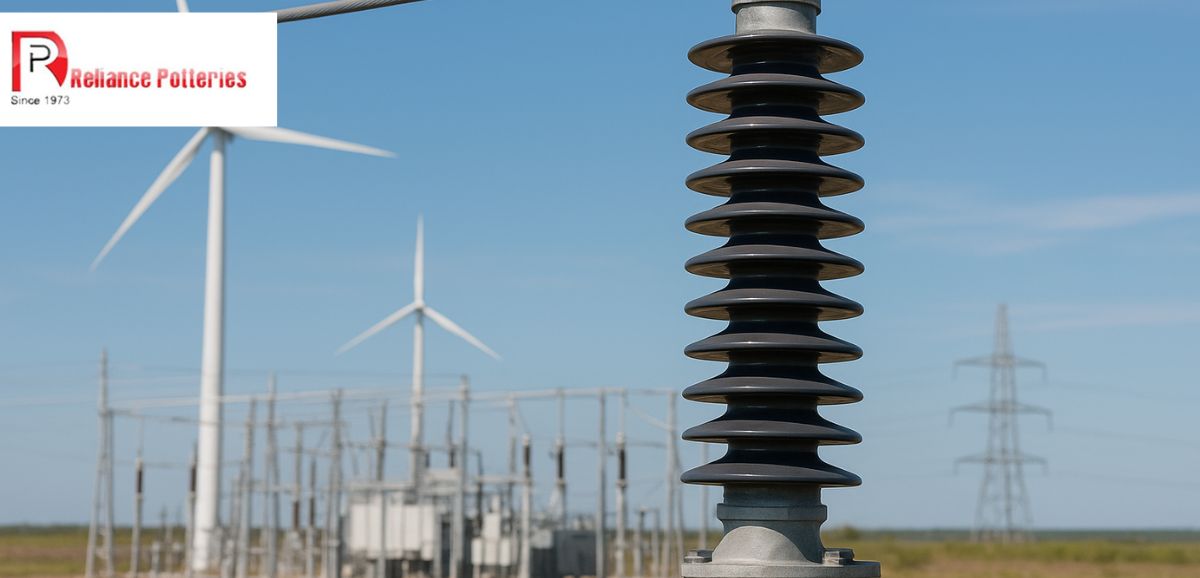
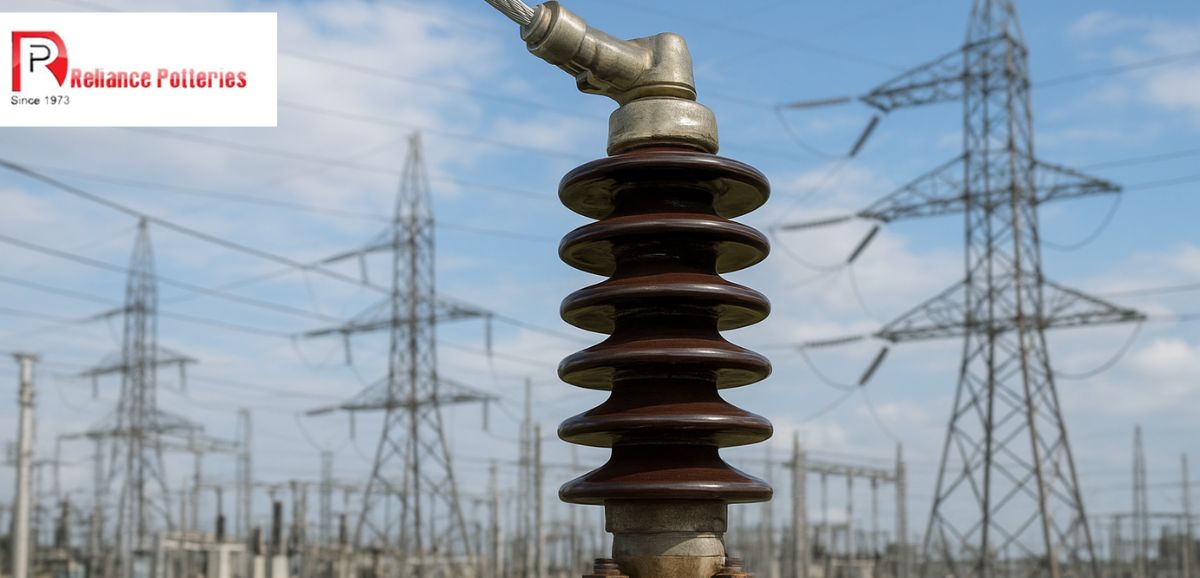
With the significant development of science and technology, the power distribution system is also undergoing substantial improvements. Apart from traditional sources of power generation, renewable energy source is the new medium of power distribution. Whether it is a high-power offshore wind substation or heavy-duty battery storage, a durable electrical system performs efficiently in a harsh thermal environment. In such a critical situation, high-temperature insulators work efficiently and maintain the economic viability of projects.

Project engineers or project supervisors attempt to select the best solid core insulator manufacturer to install premium-quality high-temperature insulators in renewable energy projects. Now, have a look at this blog about the future of high-temperature insulators in renewable energy projects.

Why is High-Temperature Insulation Vital in Renewable Energy?

Renewable energy projects often operate under high-temperature conditions where traditional power transmission is no longer useful. Let’s explore why high-temperature insulation is crucial for renewable energy projects.

  • Solar thermal systems are mainly exposed to sustainably elevated temperatures.
  • Power electronics systems in wind turbines and battery inverters can generate localized hotspots.
  • When high-temperature insulators are installed in offshore and desert areas, they are exposed to both heat and corrosive atmospheres.

If the insulator loses its working capacity due to thermal stress, there is a chance of losing electrical components. In such a critical situation, high-temperature insulation safeguards the electrical power transmission.

Materials Useful for High-Voltage Insulators for Renewable Energy Projects

When you search online for the top transformer bushings manufacturer in India, you may get numerous high-temperature insulator options. Let’s discuss several insulator materials suitable for use in high-temperature insulators for renewable energy projects.

1. Advanced ceramic materials

Advanced ceramic materials, including new ceramic formulas and fiber-reinforced composites, offer high dielectric strength, better thermal shock resistance, and reduced material fragility.

2. Polymer with high glass transition temperatures

Modified polymers with inorganic fillers can extend working temperatures while maintaining lightweight features. This unique feature is highly useful in a renewable energy project.

3. Nanomaterial coatings

Incorporating nanomaterials into high-voltage insulators can enhance surface performance and reduce leakage paths. This feature is highly useful for use in renewable energy projects in areas with high salt and desert conditions.

4. Additive manufacturing

Additive manufacturing enables the creation of a complex internal structure that can maintain the cooling channel and provide custom insulator shapes for renewable energy projects.

Economic Impact of High Voltage Insulators in Renewable Energy

If you install the right-sized high-temperature insulation in a renewable energy project, it will provide massive economic benefits. Let’s discuss in detail:

  1. The installation of high-temperature insulation reduces unplanned outages and other penalties associated with renewable energy projects.
  2. High-voltage insulators reduce maintenance costs and decrease the frequency of logistics replacement. This feature is highly beneficial in offshore and remote locations.
  3. High-voltage insulators support renewable energy projects and ensure the longer life of expensive instruments.

Although high-temperature insulators offer significant benefits in renewable energy projects, they need substantial installation costs. Select a reputable insulator manufacturer that offers high-temperature insulators for renewable energy projects at a competitive rate.

Conclusion

Ultimately, we must acknowledge that high-temperature insulators are the future of renewable energy projects. Due to its unique design, material composition, and advanced engineering, renewable energy projects consider this insulator to be the foundation of the project. Reliance Potteries is a leading manufacturer of high-temperature insulation for renewable energy projects.
Categories
Insulator Suppliers Insulators Manufacturers

Preventing Power Outages: Insulators Safeguard High-Voltage Systems

Do you think it is easy to safeguard the high-voltage electrical system without durable mechanical safety? It is impossible to protect a high-voltage electrical system without durable electrical insulators. In today’s power-dependent world, electrical insulators play a vital role in a smooth electrical operation in high-voltage electrical systems. Whether it’s a power utility, manufacturing plant, or the infrastructure development sector, excessive power outages can cause sudden damage to mechanical and electrical equipment.

To protect electrical infrastructure in a high-voltage power system, you must choose a reliable, solid-core insulators manufacturer. It will help you to get the best quality insulator for a high-voltage power transmission system. In this blog, we will discuss how insulators prevent power interruptions and safeguard high-voltage systems.

Why is Insulation Vital for High-Voltage Systems?

High-voltage power transmission lines primarily transport large amounts of electrical energy over long distances. Without a proper insulation system, short circuits and current leakage can happen. These sudden electrical issues result in significant power outages that can damage the regular activity of power transmission lines. In such a critical situation, insulators act as silent protectors, safeguarding the high-voltage electrical line and preventing unwanted current flow. For a safe, secure, and uninterrupted power transmission, an insulator is the only medium.

How Insulators Prevent Power Outages

In this section, we will explore how insulators prevent power outages and safeguard high-voltage systems.

1. Withstand a harsh environment

A high-voltage power system is primarily exposed to rain, dust, and humidity, which can compromise its operational capacity. Polymer and composite insulators can resist pollution, thereby reducing the risk of flashover during rain or storms.

2. Manage the grid stability

When you choose a reliable transformer bushings manufacturer in India for the best quality insulator, it can minimize the current leakage and prevent arcing. An insulator can maintain the grid in a stable condition even under heavy electrical loads, ensuring a smooth electrical supply in heavy industries and smart cities.

3. Safety in highly populated urban areas

With the rapid growth of urbanization and industrialization, maintaining high-voltage power lines is a vital issue. In highly populated city areas, high-voltage power lines are a serious risk factor. Due to sudden electrical failures or a shortage in power supply, high-voltage power lines can cause severe mishaps, resulting in serious damage.

4. Safeguarding the maintenance cost

Reliable insulators can significantly decrease the incidence of power outages and reduce the emergency repair costs. Large-scale industries primarily use premium-quality insulation to reduce operational costs.

Conclusion

Prevention of power outages is not the only responsibility of an electrical insulator. An electrical insulator is the hero of a smooth power supply. If you work with steel plants, chemical factories, or oil refineries, you should contact Reliance Potteries for top-notch quality insulation to prevent power outages in high-voltage power transmission.

Categories
ESP Insulators Manufacturer

Insulators in High Voltage Applications: Best Practices for Safety

Do you think it is easy to maintain the safety and reliability of high-voltage applications? Absolutely not. High-voltage applications need the highest standards of safety and reliability to operate without risk. Power transmission lines, industrial plants, and substations are a few examples of high-voltage applications where safety should be the top priority. In such situations, insulators play a crucial role in preventing current leakage, protecting infrastructure, and ensuring a stable electrical supply. When you contact the top ESP insulator manufacturer, try to purchase the best-quality insulators that excel in high-voltage applications.

If you operate in the power and energy sector, where dealing with high-voltage applications is a common occurrence, choosing a top-notch quality insulator should be your top priority. In this blog, we will discuss best practices for insulators in high-voltage applications.

Necessity of an Insulator in High Voltage Applications

High-voltage power systems primarily address sudden power outages that result in costly repairs, prolonged downtime, equipment damage, or severe safety hazards. In such critical situations, insulators provide the necessary resistance to electrical flow in high-voltage applications. Durable quality insulators support conductors by ensuring safe isolation. High Voltages that exceed hundreds of kilovolts in large power networks require premium-quality insulators to ensure their optimal working potential. It is vital for smooth business operations in high-voltage power applications.

Best Safety Practices of Insulators in High Voltage Applications

Suppose you choose a reliable drive insulator manufacturer to buy the best-quality insulator for high-voltage power applications. In this section, we will discuss the types of safety practices that insulators provide in high-voltage applications.

1. Choosing the right type of insulators

The type of insulator depends on the voltage level, environmental conditions, pollution, temperature, and mechanical load.

Porcelain and glass insulators are effective for mechanical strength and suitable for harsh environments.

Polymer insulators are primarily lightweight and can perform well in extreme weather conditions.

2. International safety standards

It is vital to buy insulators that comply with international safety standards for high-voltage electrical supply. International certifications are vital for the mechanical and electrical stability of the insulator. Therefore, it is crucial to purchase insulators from a certified insulator manufacturer.

3. Appropriate installation of the insulator

Apart from the premium-quality insulator, the appropriate installation of the insulator is vital. Factors such as misalignment and mishandling of the insulator can impact performance in high-voltage applications. To avoid these factors, consider hiring trained technicians for insulator installation.

4. Proper maintenance and regular inspection

Insulators in high-voltage power applications are exposed to environmental pollution, UV rays, and harsh weather. Over time, it may lead to insulation damage or failure during mechanical operation. To safeguard the working potential of insulators for high-voltage power lines, it is essential to maintain a regular inspection process and apply all types of effective maintenance.

5. Choose the advanced quality insulators

When you decide to buy the latest type of insulator, consider choosing a FRP shaft insulators manufacturer, as it will help you access advanced insulator technologies. It is vital to maintain the service life and working potential of the insulator for high-voltage power applications.

Conclusion

Dealing with high-voltage power applications is a challenging task. You must select the highest-quality insulator to ensure the efficiency and safety of high-voltage power transmission lines. Reliance Potteries is the top-rated insulator manufacturer, providing high-quality insulators for high-voltage applications.

Categories
Insulator Suppliers

How Composite Insulators are Transforming the Power Grid Industry

The power grid industry is undergoing rapid transformation with the introduction of the latest technologies. The primary motto of the power grid industry is to provide reliable and sustainable power transmission throughout the year. As the power grid industry expands towards modernization, which accompanies the integration of renewable energy, to fulfill the demand of the growing urban population, and the introduction of electric vehicles. The success of these entire work segments of the power grid industry depends on the usefulness of the composite insulator, which is totally different from traditional glass or porcelain insulators.

If you deal with the power grid industry, you must contact a reliable ESP support insulators manufacturer to get the premium-quality composite insulator. Composite insulators ensure ultimate safety by preventing sudden breakdowns in the power grid industry. Let’s explore this blog to know how composite insulators are transforming the power grid industry.

How Composite Insulators are Transforming the Power Grid Industry

In this section, we will discuss how composite insulators are transforming the power grid industry in a drastic way. Let’s discuss it in detail-

1. Lightweight construction is easy to install

Maximum premium-quality composite insulators are made from fiber-reinforced polymer cores with silicone rubber finishes. This unique feature accelerates the installation process and reduces the need for heavy lifting equipment, making it ideal for the power grid industry in remote locations.

2. Superior performance in harsh weather

Maximum power grids are typically located in coastal regions, industrial areas, high-pollution areas, and desert regions. If you choose the top solid core insulators supplier for purchasing composite insulators, it works effectively in the power grid industry, complemented by the safety feature of a hydrophobic silicone rubber surface. These unique features ensure operational efficiency in the power grid operation.

3. Better reliability with lower maintenance

Composite insulators have self-cleaning features during rainfall and can even resist environmental degradation, reducing downtime and cutting maintenance costs. However, traditional insulators typically require frequent cleaning and regular inspection to maintain their effectiveness. Due to the lower maintenance and better reliability, composite insulator has a huge demand in the market.

4. Higher mechanical strength and complete safety

Composite insulator from the best Transformer Bushing Manufacturer provides higher mechanical strength to the power grid industry. The high tensile strength of the composite insulator is more than that of the porcelain or glass insulator. Due to these unique features, composite insulators can withstand high mechanical stress, such as conductor tension or high winds. In the event of a sudden breakdown in the power grid industry, composite insulators provide essential safety features for maintaining power grid electrical safety.

5. Support the integration of renewable energy

With the expansion of solar and wind energy, the power grid industry often works together with these power generation systems in remote areas. Due to their durable, lightweight, and weather-resistant properties, composite insulators have become the perfect choice for the power grid and other renewable energy sources. With the huge working potential of the composite insulator, renewable power reaches our houses safely without any interruption.

6. Ensure the smart power grid performance

Modern composite insulators in the power grid industry work with smart monitoring technologies to ascertain their performance, predict certain failures, and detect any fault before it happens.

Conclusion

To enhance the performance of the power grid, consider installing a premium-quality composite insulator. It not only enhances the performance of the power grid but also ensures a smooth electrical flow. Reliance Potteries is the leading manufacturer and supplier of high-quality composite insulators. Please discuss your requirements with us immediately without delay.

Categories
Insulator Suppliers

ESP Insulators vs Traditional Insulation for Textile Air Filtration

In the bustling world of the textile manufacturing industry, dyeing, finishing, and printing are responsible for generating a significant amount of airborne pollutants. It is vital to control the air pollution generated by the textile manufacturing industry. To achieve this, the textile industry is focusing on the introduction of functional air filtration systems, such as ESPs or electrostatic precipitators. ESP is a unique air filtration system, but another vital component that supports overall efficiency and mitigates air pollution in the textile industry is the insulation system.

The textile manufacturing industry consistently seeks the best ESP insulator manufacturer to obtain premium-quality ESP insulators. In this blog, we will compare ESP insulators and traditional insulation for textile air filtration, providing necessary feedback on which one is more suitable for operational efficiency in textile mills.

What Do You Understand by ESP Insulators

ESP insulators are a type of high-voltage electrical insulator used in electrostatic precipitators. The design of the ESP insulator is unique, electrically isolating live components from grounded structures while protecting against dust, heat, and corrosive elements commonly found in textile mills. Without an ESP insulator, the ESP cannot generate the electrical fields essential to trap airborne pollutants.

What Do You Mean by Traditional Insulation?

Traditional insulation primarily refers to thermal or electrical barriers derived from materials such as fiberglass, rubber, and mica. Traditional insulation mainly prevents heat loss and controls electrical flow in low- to medium-voltage environments. Conventional insulation systems are not suitable for high-voltage air filtration systems. Traditional insulation is also a crucial component in textile mills, serving to protect high-voltage wires and cables.

Comparison between ESP Insulator and Traditional Insulation

In this segment, we will discuss the significant difference between ESP insulator and traditional insulation.

1. Voltage handling

  • ESP insulator- ESP insulator is mainly helpful for high voltage operation, which is up to 100kV
  • Traditional insulation- Traditional insulation is helpful in managing low- to medium-voltage operations.

2. Application

  • ESP insulators-ESP insulator is particularly useful for air filtration
  • Traditional insulation- Traditional insulation is helpful for general heat and electric control systems

3. Lifespan

  • ESP Insulator- It is long-lasting even in harsh weather conditions
  • Traditional insulation- Traditional insulation tends to degrade faster degradation

4. Functional approach for air filtration

  • ESP insulator- The ESP insulator is integrated with ESP, which is suitable for air filtration
  • Traditional insulation- A traditional insulator, or traditional insulation system, is not suitable for an air filtration system.

Purposes of Choosing ESP Insulators for Textile Air Filtration

If you are planning to choose between ESP insulator and traditional insulator for your textile mills, you must select ESP insulator from a reliable insulator supplier in India for the following reasons: let’s discuss-

1. Support a high-voltage environment

Textile mills primarily use ESP insulators to manage high-voltage operational risks and airborne particulates.

2. Work efficiently in a harsh climate

The textile manufacturing industry primarily operates in a humid, dusty, and chemically laden environment. The design of the ESP insulator is unique, enabling it to withstand harsh weather conditions and making it valuable and durable for the textile industry.

3. Minimise the downtime

If you maintain the ESP insulator properly, it offers a long service life and reduces costly downtime. Reducing maintenance downtime is vital to keeping the air filtration system running smoothly.

Conclusion

When the textile industry plans to control airborne pollutants and maintain operational efficiency, a functional and premium-quality ESP is an essential element. Reliance Potteries is the leading manufacturer and supplier of ESP insulators and traditional insulators for various industrial applications. To ensure the best quality and reliable insulation for your textile mill, please get in touch with us.


Categories
Insulator Suppliers Insulators Manufacturers

Emerging Trends in Insulator Technology: Focus on the Conical Design

With the latest up-gradation of technical advancement there is a huge changes in the electrical system and insulator technology. Among different kinds of technical advancement, conical support insulators are famous for their unique design and outstanding performance. Various industries prefer to use a durable quality conical support insulator for the smooth functioning of electrical supply.

A reliable conical support insulator manufacturer provides the best quality insulator with the latest technology for overhead utility wires and high voltage electrical circuit. If you want to prevent unwanted electricity flow, conical support insulators should be your ultimate choice. Through this blog, we will discuss the Emerging trends in insulator technology and how to focus on the conical design.

The Working Aspect of a Conical Support Insulator

Conical support insulator is a special type of insulator that is useful to support and insulate electrical conductors, specifically in high voltage environment. The conical shape offers a better mechanical strength and huge stability for multiple applications. In the electrical segment, where load-bearing capacity is a vital factor, the conical support insulator plays a vital role.

Benefits of Using Conical Support Insulators

When you decide to safeguard your industrial electrical system from potential electrical hazards you must think of using conical support insulator. Let us discuss its tremendous benefits elaborately.

  • Better mechanical strength– Like other electrical insulators, conical shape insulators are also vital to smooth electrical performance. This insulator distributes mechanical stress eventually and reduces the structural failure under heavy loads.
  • Better thermal performance– A conical support insulator is beneficial for better thermal resistance shocks and lower thermal expansion, minimizing the risks of cracks due to temperature fluctuations.
  • Better space utilization– The compact design of the conical
    support insulator allows installation in areas where you need to install the electrical support insulator within a small space without compromising its performance.
  • Versatility– This insulator is suitable for wide range of applications including power plants, cement industries, and petrochemical industry due to its robust features and unique applications.

Sustainable Materials for Electrical Support Conical Insulator

With the latest technological advancements, there has been a specific development in the materials used for electrical support insulators. Let’s discuss the type of the material in detail-

  1. Porcelain– This material is excellent for making electrical support insulators that are famous for their mechanical strength. Any reliable shaft insulators manufacturer prefers to use porcelain to make a high-quality shaft insulator.
  2. Composite materials– It is an improved material that is famous for better environmental factors and higher mechanical stress.
  3. High alumina content– When an electrical support insulator contains high alumina, it ensures high voltage stability and smooth function at a temperature of 500 degrees C.

Industrial Application of Conical Support Insulator

In this segment, we will discuss the vast applications of conical support insulators across various industries. Let’s discuss them in detail-

  • Power plants– The high load capacity and thermal resistance of conical support insulators are suitable for power plants.
  • Cement industries– The cement industry needs heavy-duty operations and a higher-performing insulator to stand up to 400 degrees C.
  • Oil and gas industry– The durability of conical support insulators ensures their longevity for the oil and gas industry.

Conclusion

With the greatest technical evolution, there must be a huge change in the electrical support insulators, whether shaft insulators or conical support insulators. You need to choose the best insulator manufacturer, such as Reliance Potteries, to get the higher technical advancement for electrical insulators.

Categories
Insulators Manufacturers ESP Insulators Manufacturer

What Are the Main Characteristics of High Voltage Insulators?

High-voltage insulating components are made of glass, ceramic, or synthetic materials. Bonding, filling, crimping, and bolt connections are the primary methods of joining the insulators to the fittings. Exposed high-voltage insulators can deteriorate and slip due to wind impact risks. To decrease these risks effectively, partnering with a top-tier manufacturer is crucial. In this regard, choosing manufacturers of cylindrical support insulators for ESP is an excellent decision that ensures reliability and safety.

High-voltage insulators are the most important element in the electrical system. One major reason is that they act as shields and hence prevent electricity from flowing to the united areas. However, there are various characteristics of high-voltage insulators. Thus, in this article, we will try to understand them in detail.

Characteristics of High Voltage Insulators

High dielectric strength

High-voltage insulators are crucial in ensuring safety and efficiency in electrical systems. To manage electrical stress, insulators need high dielectric strength to resist conducting electricity. Materials like porcelain, glass, and polymer composites are chosen for their dielectric properties. Using these materials improves insulation and safety in high-voltage settings. That is why you should get the insulators from the best insulator manufacturers in India. They are professionals and made with high-quality materials.

Resistance to the environmental conditions

These insulators are built to endure harsh weather, such as rain, snow, humidity, temperature changes, and UV rays. To prevent flashover or leakage, we choose materials with high resistance to moisture and pollution. Their dependable performance in demanding conditions demonstrates their quality and design.

Hydrophobicity

Many high-voltage insulators, particularly those made from polymers, feature hydrophobic (water-repellent) surfaces. This feature reduces water accumulation on the insulator, decreasing leakage currents and flashovers. The hydrophobicity causes water to bead, reducing electrical discharge risk. If you want your voltage insulators with these characteristics, then insulator manufacturers in India are just the place for you.

Creepage distance

Creepage distance is the shortest path on an insulator between conductive components. A longer creepage distance helps prevent surface arcing, especially in bad weather conditions. High-voltage insulators have sheds called “sheds” that increase creepage distance. This enhances their ability to handle high voltages and avoid flashover.

Mechanical strength and durability

High-voltage insulators are highly durable. It can withstand mechanical pressures from wind and other sources. Their construction and composition ensure resistance to breakage, cracking, and bending. Insulators in outdoor settings require strong mechanical robustness due to diverse loads.

Easy to maintain

High-voltage insulators are skillfully designed for simple installation and low maintenance. They are designed for difficult places like transmission towers. Polymer insulators are far lighter than conventional glass or porcelain alternatives. Thus, this makes handling and installation easier and requires less upkeep.

High-voltage insulators must possess key properties to perform effectively in demanding environments. Their remarkable dielectric strength allows them to withstand high voltages without deteriorating. They require robust resilience to withstand harsh weather, pollution, and external threats. Insulators need thermal stability to function well at varying temperatures without deteriorating. Low dielectric loss is also essential since it reduces the amount of energy lost during transmission. Due to their combined characteristics, high-voltage insulators ensure safe power transmission in various conditions.