
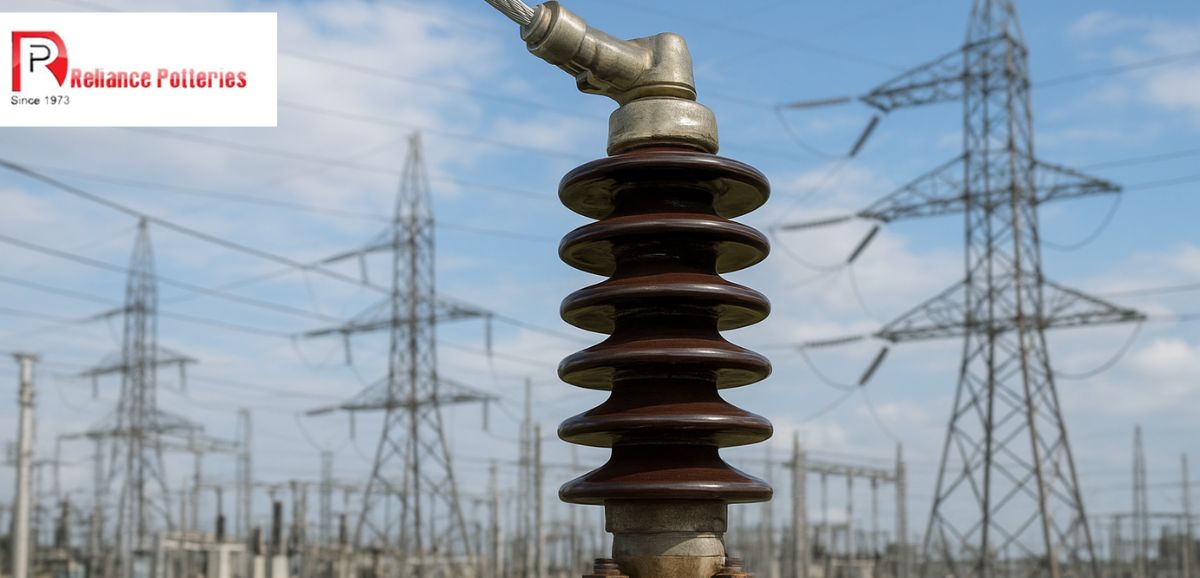
Do you think it is easy to maintain the safety and reliability of high-voltage applications? Absolutely not. High-voltage applications need the highest standards of safety and reliability to operate without risk. Power transmission lines, industrial plants, and substations are a few examples of high-voltage applications where safety should be the top priority. In such situations, insulators play a crucial role in preventing current leakage, protecting infrastructure, and ensuring a stable electrical supply. When you contact the top ESP insulator manufacturer, try to purchase the best-quality insulators that excel in high-voltage applications.
If you operate in the power and energy sector, where dealing with high-voltage applications is a common occurrence, choosing a top-notch quality insulator should be your top priority. In this blog, we will discuss best practices for insulators in high-voltage applications.
Necessity of an Insulator in High Voltage Applications
High-voltage power systems primarily address sudden power outages that result in costly repairs, prolonged downtime, equipment damage, or severe safety hazards. In such critical situations, insulators provide the necessary resistance to electrical flow in high-voltage applications. Durable quality insulators support conductors by ensuring safe isolation. High Voltages that exceed hundreds of kilovolts in large power networks require premium-quality insulators to ensure their optimal working potential. It is vital for smooth business operations in high-voltage power applications.
Best Safety Practices of Insulators in High Voltage Applications
Suppose you choose a reliable drive insulator manufacturer to buy the best-quality insulator for high-voltage power applications. In this section, we will discuss the types of safety practices that insulators provide in high-voltage applications.
1. Choosing the right type of insulators
The type of insulator depends on the voltage level, environmental conditions, pollution, temperature, and mechanical load.
Porcelain and glass insulators are effective for mechanical strength and suitable for harsh environments.
Polymer insulators are primarily lightweight and can perform well in extreme weather conditions.
2. International safety standards
It is vital to buy insulators that comply with international safety standards for high-voltage electrical supply. International certifications are vital for the mechanical and electrical stability of the insulator. Therefore, it is crucial to purchase insulators from a certified insulator manufacturer.
3. Appropriate installation of the insulator
Apart from the premium-quality insulator, the appropriate installation of the insulator is vital. Factors such as misalignment and mishandling of the insulator can impact performance in high-voltage applications. To avoid these factors, consider hiring trained technicians for insulator installation.
4. Proper maintenance and regular inspection
Insulators in high-voltage power applications are exposed to environmental pollution, UV rays, and harsh weather. Over time, it may lead to insulation damage or failure during mechanical operation. To safeguard the working potential of insulators for high-voltage power lines, it is essential to maintain a regular inspection process and apply all types of effective maintenance.
5. Choose the advanced quality insulators
When you decide to buy the latest type of insulator, consider choosing a FRP shaft insulators manufacturer, as it will help you access advanced insulator technologies. It is vital to maintain the service life and working potential of the insulator for high-voltage power applications.
Conclusion
Dealing with high-voltage power applications is a challenging task. You must select the highest-quality insulator to ensure the efficiency and safety of high-voltage power transmission lines. Reliance Potteries is the top-rated insulator manufacturer, providing high-quality insulators for high-voltage applications.