
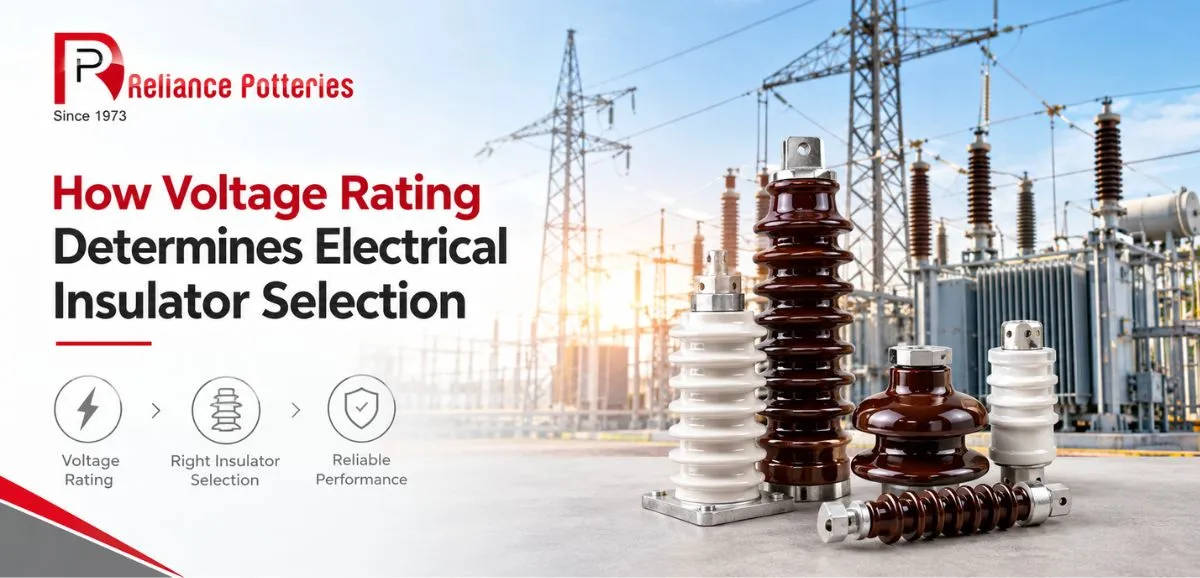
When an industrial electrical system operates at high voltage and temperature, every component performs its job diligently. Some components carry electrical current, some control electrical flow, and some keep electricity controlled. Among a variety of electrical instruments, electrical insulators play a vital role.
A properly selected insulator can electrically isolate energized components while withstanding the electrical and mechanical demands of each application; however, are you eager to know how engineers decide which insulator suits a particular electrical system? The first thing that engineers should look at is voltage rating. The voltage rating of an insulator provides an important starting point for determining whether it is appropriate for an electrical application.
Choosing appropriate insulators from top solid-core insulator manufacturers can be tricky if physical dimensions differ. For industrial buyers, understanding the relationship between voltage rating and electrical insulator selection can help you make a more appropriate decision.
Let’s explore this blog to ascertain how voltage rating determines electrical insulator selection and supports equipment performance.
Voltage rating mainly indicates the electrical voltage level for which an insulator is designed to operate under specified conditions. An insulator must withstand the electrical stress across it without unwanted electrical breakdown. This is particularly important in high-voltage environments, where electrical stress can be greater than in ordinary low-voltage applications. The actual selection of the insulators also depends on several factors, such as-
Operating voltage
Insulation requirements
Mechanical loading
Temperature
Humidity
Pollution and dust
Indoor and outdoor installation
Application-specific design
If you want to know how voltage rating determines electrical insulator selection, you must read this section.
The first practical step is to identify the system operating voltage. An electrical engineer evaluating an insulator for a high-voltage application needs to understand the nominal system voltage and electrical conditions to make an informed choice. The appropriate insulation level can be evaluated alongside other design parameters. This unique feature is particularly important in applications such as-
Electrical substation
Transformers
Switchgear
Power distribution system
Industrial power equipment
High voltage processing systems
Transformer rectifier systems
A material’s electrical strength describes its ability to withstand electrical stress, while a product’s voltage rating relates to how the finished insulator is designed and specified for a particular application. Material composition, dimension, geometry, and construction can all influence insulation performance.
Porcelain is a useful insulator material known for its electrical and mechanical properties. When insulating, units comparing electrical insulators for high-voltage applications should look beyond a single number and evaluate the product specification task.
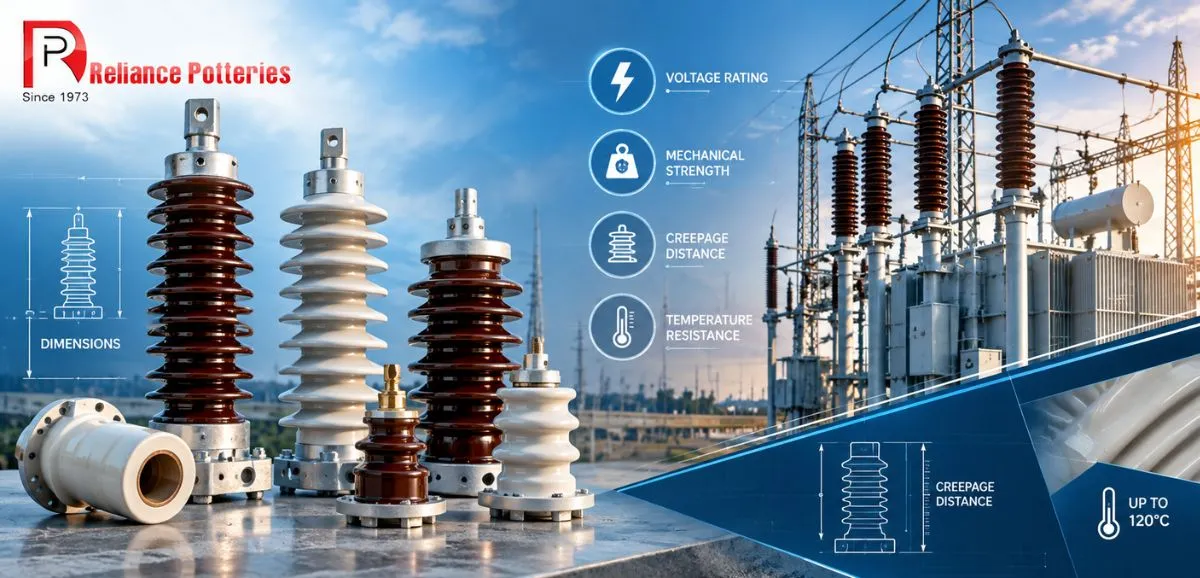
Voltage is not just an electrical consideration. Creepage distance is the distance electricity can travel along an insulator’s surface. These factors matter when selecting high-voltage insulation, especially in airborne dust, moisture, chemicals, and other contaminants. Therefore, select a suitable insulator design for smooth operation.
When two types of systems operate at similar voltage levels, they may require different types of insulators. That’s why considering insulators for electrically isolating components is not the right concept. It may also need to perform many other tasks-
Support mechanical loads
Withstand vibration
Manage thermal conditions
Operate in polluted areas.
Provide appropriate creepage and clearance.
Industrial units need to consider application types to determine insulator specifications from trusted insulator suppliers in India, rather than considering only voltage.
For high-voltage electrical systems, the right insulator can be an important part of equipment design and functionality. If your project requires high-voltage electrical insulators, customized industrial insulation can make a significant difference. At Reliance Potteries, you can get customized insulators with the right voltage rating for efficient industrial performance.